
How to Maximize Your Car Accident Compensation: A Step-by-Step Guide
Key Takeaways:
-
Take immediate action after an accident by ensuring safety, documenting the scene, exchanging information, and notifying authorities to strengthen your case.
-
Communicate strategically with insurance companies by providing factual information, documenting conversations, and avoiding hasty settlement agreements.
-
Gather thorough evidence including vehicle damage, medical records, financial losses, and witness statements to support your compensation claim.
-
Understand the types of damages—both economic and non-economic—and keep detailed records to ensure your claim reflects all losses.
-
Be prepared for disputes over fault by relying on documentation, police reports, and witness statements, and consider legal support if necessary.
-
Track all communication and organize documentation carefully to simplify negotiations and reduce the risk of overlooked details.
-
Approach settlements and negotiations thoughtfully, considering ongoing medical care and potential future costs, and avoid accepting initial offers without careful evaluation.
Car accidents can be overwhelming, stressful, and costly. From dealing with injuries and vehicle damage to navigating insurance claims, the process can feel like a maze. The good news is that with the right approach, you can maximize your car accident compensation and ensure you’re not leaving money or resources on the table. This guide will walk you through the entire process, step by step, with practical tips and strategies.
When you’re involved in a car accident, compensation is more than just money. It can cover medical bills, lost income, car repairs, and even long-term recovery costs. Understanding what you’re entitled to and how to effectively claim it is key to protecting your financial stability and wellbeing after an accident.
What Should You Do Immediately After an Accident?

The moments right after an accident are crucial. Taking the right steps can strengthen your case and prevent potential disputes later. Here’s what you should focus on:
1. Ensure Safety First
-
Move to a safe location if possible.
-
Check yourself, passengers, and other parties for injuries.
-
Call emergency services if anyone is hurt.
2. Document the Scene
-
Take photos of vehicle damage from multiple angles.
-
Capture skid marks, road conditions, and surrounding signage.
-
Note down the exact location, date, and time of the accident.
3. Exchange Information
-
Collect names, phone numbers, and addresses of all drivers.
-
Record insurance details and license plate numbers.
-
Note witness names and contact information.
4. Notify Authorities
-
Call the police if required or if there’s significant damage or injury.
-
Obtain a copy of the police report; it is often critical for claims.
How Should You Handle Insurance Companies?
Dealing with insurance companies can feel intimidating, but approaching them strategically can make a huge difference in the outcome of your car accident compensation claim. Insurance adjusters are trained to minimize payouts, so understanding their tactics and preparing accordingly is key.
Tips for Handling Insurance Adjusters
-
Provide only factual information: Stick to the facts of the accident, such as what happened, when it happened, and who was involved. Avoid speculating, admitting fault, or offering opinions about the accident, as this could be used against you.
-
Document every conversation: Keep a detailed log of all phone calls, including the date, time, name of the adjuster, and what was discussed. This record can be invaluable if disputes arise later.
-
Don’t rush to accept a settlement: Initial offers are often lower than what you may be entitled to. Review the offer carefully, compare it to your actual losses, and don’t feel pressured to sign immediately.
-
Maintain copies of all correspondence: Save emails, letters, and forms from the insurance company. Organized documentation strengthens your position and ensures you don’t overlook critical information.
-
Be cautious about recorded statements: Insurance companies may ask for recorded statements. Only provide these if you are confident about the accuracy of your account and have considered legal advice.
Being informed and methodical when communicating with insurance representatives gives you leverage and can significantly increase your potential compensation.
How to Gather Evidence That Strengthens Your Claim
A successful car accident compensation claim depends heavily on evidence. The more thorough and organized your documentation, the stronger your position will be when negotiating with insurers or pursuing legal action.
Vehicle Damage
-
Take high-quality photos immediately after the accident, capturing all angles, damage to vehicles, and the surrounding scene.
-
Obtain repair estimates from certified mechanics to establish the financial cost of vehicle damage.
-
Keep receipts for towing, rental cars, or temporary transportation while your vehicle is being repaired.
Medical Records
-
Gather emergency room reports, doctor’s notes, and hospital records that document your injuries.
-
Include therapy and rehabilitation notes, as these show the extent and duration of treatment required.
-
Keep receipts for medications, medical equipment, or home care services, as these can be factored into compensation.
Financial Losses
-
Save pay stubs or tax documents to prove lost wages due to time off work.
-
Include receipts for extra expenses, such as childcare, transportation, or home adjustments caused by your injury.
Witness Statements
-
Collect written accounts from anyone who saw the accident, noting their perspective and what they observed.
-
Record contact information for follow-up in case the insurance company or your lawyer needs clarification.
Well-organized and comprehensive evidence demonstrates the legitimacy of your claim and often leads to higher compensation.
Do You Need a Lawyer? How to Decide
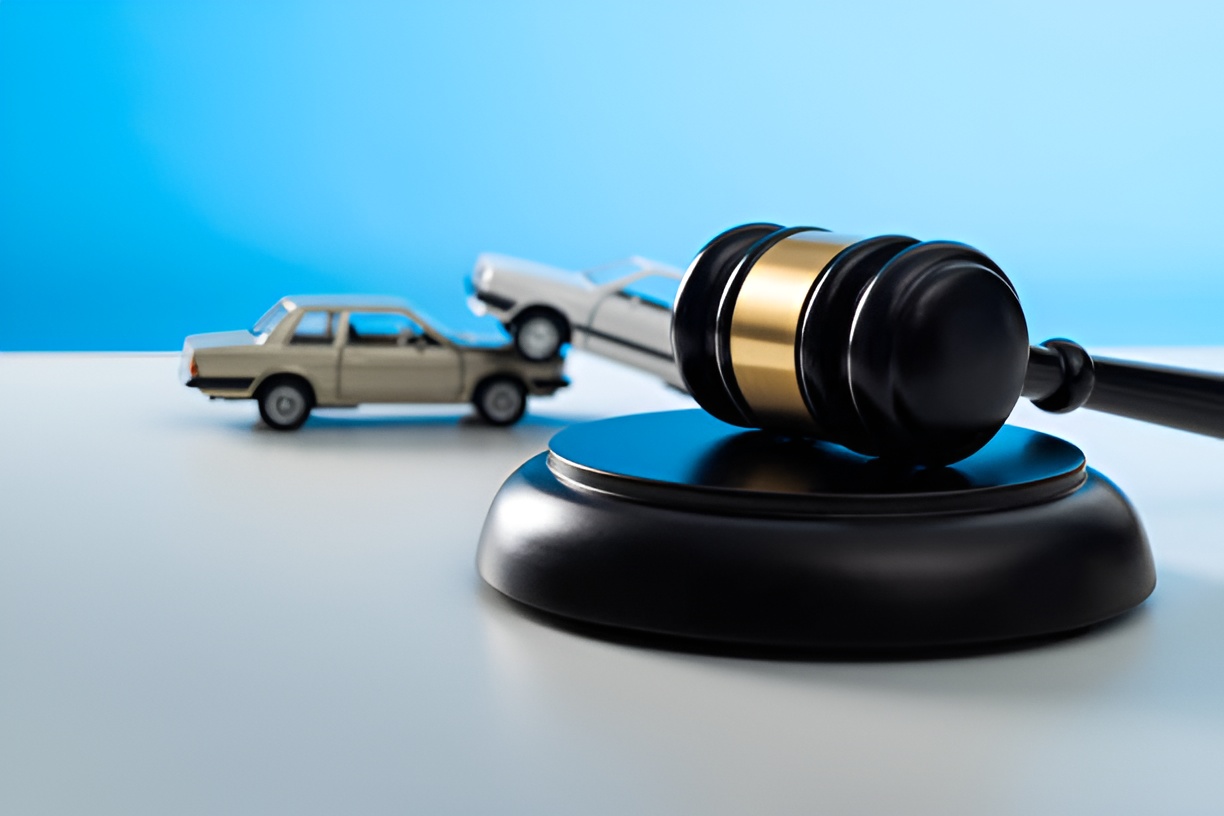
While hiring a lawyer is not mandatory, having legal representation can make a significant difference, particularly in complex cases involving serious injuries, multiple parties, or disputed liability.
A skilled attorney can help you:
-
Navigate complex insurance procedures and paperwork efficiently.
-
Evaluate settlement offers to ensure they adequately cover all your losses.
-
Negotiate with insurance adjusters or opposing parties to maximize compensation.
-
Represent you in court if a fair settlement cannot be reached.
When preparing for this step, it’s important to know how to prepare for a lawyer consultation. Gather all relevant documents, organize your evidence, and prepare a list of questions. Doing so makes the consultation productive and ensures you leave with a clear understanding of next steps. Additionally, understanding different types of attorneys helps you choose one who specializes in personal injury or car accident cases, rather than a general practitioner who may not have the same level of experience.
How to Calculate the Value of Your Claim
Determining the right amount to request for car accident compensation involves accounting for both economic and non-economic damages.
Economic Damages
-
Medical expenses: Include past and anticipated future costs for treatment, surgery, therapy, and medication.
-
Vehicle repair or replacement costs: Factor in the full cost to restore your car or replace it if totaled.
-
Lost wages and diminished earning capacity: Include time missed from work and any long-term reduction in earning potential.
-
Rehabilitation and therapy costs: Physical therapy, occupational therapy, or home adjustments may be required.
Non-Economic Damages
-
Pain and suffering: Consider the severity and duration of physical pain.
-
Emotional distress: Psychological impacts such as anxiety, depression, or sleep disturbances.
-
Loss of enjoyment of life: Inability to participate in hobbies or social activities.
-
Scarring or disfigurement: Permanent changes that affect appearance or daily functioning.
Tip: Keep detailed records of all costs, even small ones, like transportation to medical appointments or temporary mobility aids. Every documented expense contributes to a stronger claim.
What If the Other Party Disputes Fault?
Disputes over liability are common in car accidents. Handling these effectively requires preparation and patience.
Stick to the Facts
-
Rely exclusively on your documentation and evidence.
-
Avoid verbal blame or confrontations; let your evidence tell the story.
Police and Witness Reports Are Crucial
-
Police reports provide an unbiased account and are often key in resolving disputes.
-
Witness statements and photographs from neutral parties add credibility to your claim.
Legal Support Can Help
-
An experienced attorney can present your case persuasively, negotiate on your behalf, and guide you if litigation is necessary.
-
Disputes may require mediation or a court hearing if a fair settlement isn’t achieved.
Should You Accept the First Settlement Offer?
Insurance companies often start with a lower offer than what you deserve. Accepting too quickly can mean leaving money on the table.
Before Accepting
-
Confirm that all damages are accounted for, including medical, vehicle, and incidental costs.
-
Consider ongoing medical treatment or anticipated future expenses.
-
Compare the offer against documented losses and projected costs.
Negotiating a higher settlement is frequently possible with organized evidence and a clear understanding of your claim’s value.
How Long Will the Process Take?
The timeline for receiving car accident compensation varies widely depending on multiple factors:
-
Severity of injuries: More serious or ongoing injuries require additional documentation and expert opinions.
-
Complexity of the accident: Multi-vehicle accidents or disputed liability can take longer to resolve.
-
Willingness of insurance companies to negotiate: Some insurers respond quickly, while others may delay or resist fair settlements.
Minor claims might be resolved in weeks, but complicated cases can take months or even years if litigation becomes necessary. Planning for the long term ensures you stay organized and patient throughout the process.
How to Maximize Compensation Through Documentation
Detailed and organized documentation is one of your strongest tools.
Tips for Maintaining an Organized Claim File
-
Create folders for medical, financial, and vehicle-related documents: Physical or digital folders help prevent important information from being lost.
-
Keep a chronological accident journal: Record symptoms, appointments, communications with insurers, and progress in recovery.
-
Store digital copies of all records: Photos, receipts, medical reports, and correspondence should be backed up for easy access and sharing with your lawyer or insurance adjuster.
A well-documented claim is easier to negotiate, more credible to insurers, and less likely to be undervalued.
Can You Claim Future Costs?
Yes, you can request compensation for anticipated future expenses related to the accident, such as:
-
Ongoing medical care
-
Long-term therapy
-
Permanent disability accommodations
-
Loss of earning potential
Consulting with a professional can help project these costs accurately.
What Are Common Mistakes to Avoid?
Even small mistakes can reduce your car accident compensation. Watch out for:
-
Admitting fault at the scene or to insurance adjusters
-
Delaying medical treatment, which can weaken your injury claims
-
Failing to document injuries, car damage, and financial losses
-
Not seeking legal advice when injuries or costs are significant
How Does Negotiation Work?
Negotiation is often where your compensation is determined. Key strategies:
-
Present clear, organized evidence.
-
Remain professional and factual.
-
Don’t settle under pressure.
-
Be prepared to escalate to mediation or litigation if necessary.
Can You Represent Yourself?
Some minor claims can be handled without an attorney, but it’s usually risky if:
-
Injuries are serious or ongoing
-
Liability is disputed
-
Insurance companies are resistant to fair compensation
Even a brief consultation can help clarify your rights and options.
How to Keep Track of Communication
Track every call, email, and letter related to your claim:
-
Note names, dates, and key points of conversation.
-
Save copies of emails and letters.
-
Use a dedicated notebook or digital folder to keep everything organized.
Proper tracking prevents misunderstandings and strengthens your case.
How Do Settlements Get Finalized?
Once both parties agree on an amount:
-
You may be asked to sign a release form, which waives your right to pursue further claims.
-
Ensure the settlement fully covers all known and potential future costs.
-
Keep copies of all signed documents.
Never sign a release without confirming the compensation fully covers your needs.
Can You Appeal or Reopen a Claim?
Under certain circumstances, claims can be reopened:
-
If new medical issues arise
-
If evidence was overlooked
-
If settlement was based on incomplete information
Consult an attorney if you believe your case was undervalued.
Closing Thoughts: Take Control of Your Compensation
Maximizing car accident compensation requires preparation, documentation, and informed decision-making. From gathering evidence to understanding your legal options, every step you take can impact your settlement. By staying organized, seeking the right advice, and advocating for yourself, you can ensure your claim reflects the true costs of your accident and supports your recovery fully.