Accident Attorney Advice Steps to Take After a Serious Collision
Serious collisions can be overwhelming and confusing. The suddenness of the event, the rush of adrenaline, and the immediate need to ensure safety create a whirlwind of emotions and priorities. In those first moments, people are often unsure of what to do next, who to call, or which decisions matter most. This confusion can lead to rushed actions or overlooked steps that later have significant consequences.
Remaining calm after a collision is easier said than done, but it is one of the most important factors in protecting yourself. The decisions made in the minutes, hours, and days following an accident can influence physical recovery, financial stability, and long-term legal outcomes. Acting with intention rather than panic allows you to regain a sense of control during a chaotic situation.
Making informed decisions post-collision helps protect your health, finances, and legal rights. Immediate actions can influence not only short-term recovery but also how well you are positioned months or even years later. Medical treatment, documentation, and careful communication all work together to form a foundation for stability and protection.
This article serves as a practical guide grounded in real-world scenarios. It outlines step-by-step measures to take after a serious collision, explaining why each action matters and how it contributes to better outcomes. By understanding and following these steps, you can navigate an incredibly challenging experience with greater clarity, confidence, and protection for yourself and your loved ones.
1. Secure Immediate Safety and Stabilize the Scene
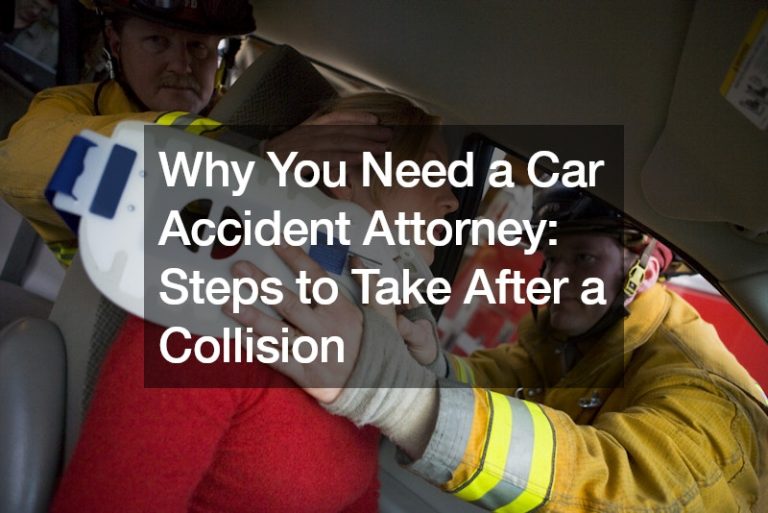
The first priority after any serious collision is ensuring personal safety. Take a moment to assess yourself and your passengers for injuries, even if no pain is immediately apparent. Shock and adrenaline can suppress symptoms, making injuries less noticeable at first. Encourage everyone to remain still until it is safe to move, especially if there is any concern about neck, back, or head injuries.
Once immediate injuries have been assessed, consider the surrounding environment. If the vehicles are in a dangerous location, such as a busy roadway or blind intersection, moving them to a safer area may be necessary to prevent further harm. However, if moving the vehicles could compromise safety or interfere with an accurate reconstruction of the incident, it may be better to leave them where they are until authorities arrive.
Stabilizing the scene also includes using hazard lights, flares, or reflective triangles if available. These measures alert other drivers and reduce the risk of secondary collisions. Keeping the area controlled and visible protects everyone involved and demonstrates responsible behavior in a stressful situation.
Documenting the scene as early as possible is extremely important. Photographs of vehicle positions, damage, road conditions, skid marks, and surrounding signage help preserve details that may later be questioned. These records can be invaluable for an accident attorney when evaluating fault and reconstructing what happened, especially if accounts differ.
Even when injuries appear minor, contacting authorities is essential. Law enforcement officers create official reports that establish a factual record of the collision. These reports can play a key role in protecting legal rights, clarifying responsibility, and preventing disputes later on. Their presence also helps manage traffic and maintain order at the scene.
2. Seek Prompt Medical Attention and Document Injuries
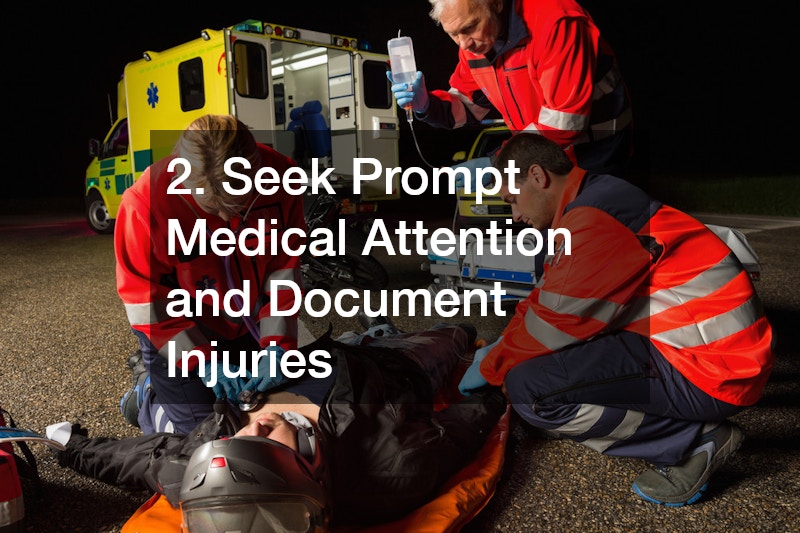
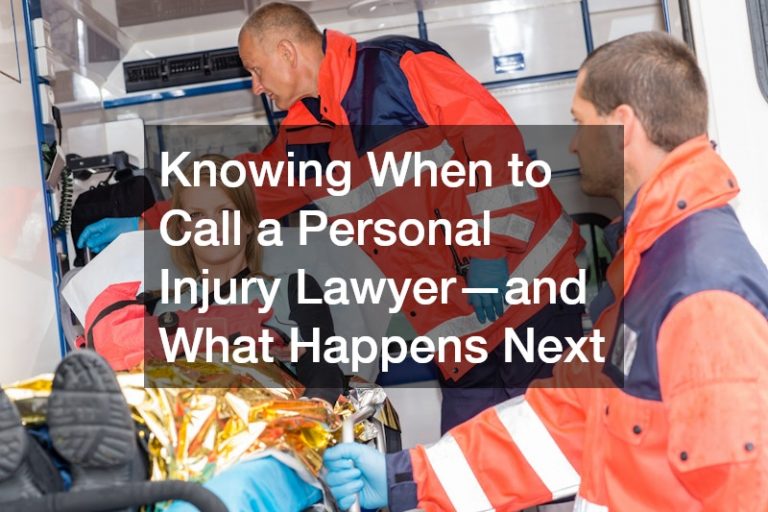
After the scene is secured, medical attention should be the next focus. Many people underestimate how shock and adrenaline affect the body. These physiological responses can delay pain and mask serious injuries, leading individuals to believe they are unharmed when they are not. Delaying treatment can allow injuries to worsen and complicate recovery.
Certain symptoms demand immediate evaluation, including dizziness, nausea, confusion, loss of consciousness, chest pain, numbness, or any sign of head or spinal injury. In these situations, a visit to the emergency room is critical. Prompt evaluation is not only important for health but also establishes an early medical record linking injuries directly to the collision.
Ongoing medical care is equally important. Follow-up appointments, physical therapy, diagnostic imaging, and specialist visits all contribute to recovery and create a detailed timeline of treatment. This continuity shows that injuries were taken seriously and managed responsibly, which can be important if claims or disputes arise.
Documenting injuries thoroughly is just as important as receiving treatment. Keep copies of medical reports, prescriptions, treatment plans, and discharge instructions. Maintain a personal journal noting pain levels, limitations, and how injuries affect daily life. These records provide a comprehensive picture of the impact the collision has had on your health and well-being.
Organizing medical documentation early helps prevent confusion later. Digital copies stored securely can be easily shared with professionals when needed. Clear, consistent records support recovery efforts and ensure that no aspect of treatment is overlooked or forgotten.
3. Preserve Evidence While Details Are Still Fresh
Evidence preservation is one of the most critical yet often overlooked steps after a collision. Memories fade quickly, road conditions change, and vehicles are repaired or removed. Acting early ensures that important details are not lost.
Begin by photographing everything relevant to the incident. This includes vehicle damage from multiple angles, license plates, debris, weather conditions, road markings, traffic signs, and any visible injuries. Time-stamped images provide context and credibility to your account of events.
Witnesses can offer independent perspectives that strengthen the overall understanding of what happened. If anyone saw the collision, politely ask for their contact information and a brief description of what they observed. These statements can be extremely helpful if accounts later conflict or if fault is disputed.
An accident lawyer relies heavily on early evidence to build a strong narrative. Clear documentation helps establish timelines, demonstrate negligence, and counter inaccurate claims. The more complete the evidence, the less room there is for ambiguity or misinterpretation.
Avoid common mistakes that can weaken evidence. Do not alter photos, discard damaged property, or share details publicly. Social media posts, casual conversations, or incomplete records can be taken out of context. Consulting professionals before releasing information helps ensure that evidence is preserved and used appropriately.
4. Be Careful With Statements to Authorities and Insurers
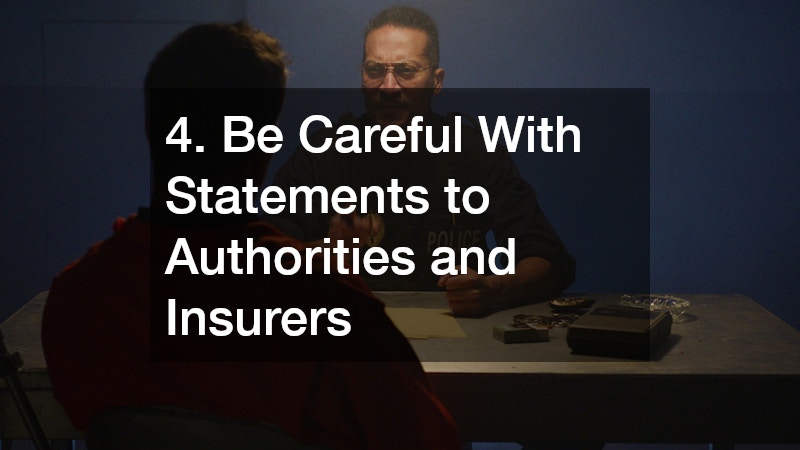
Statements made after a collision carry significant weight. Whether speaking with law enforcement, insurance representatives, or other involved parties, it is essential to communicate carefully and accurately. Even well-intentioned remarks can be misunderstood or misused.
When giving statements to authorities, stick to the facts as you know them. Avoid speculation about fault or causes. Reviewing official reports when available allows you to identify and correct errors early, preventing misinformation from becoming part of the permanent record.
Insurance communications should also be handled with caution. While cooperation is necessary, over-disclosure without guidance can lead to unintended consequences. Providing concise, factual information helps maintain consistency and reduces the risk of misinterpretation.
If citations or charges are involved, consulting a criminal defense attorney can be critical. Their expertise helps navigate the legal process, protect rights, and address potential consequences beyond the immediate accident. Early legal guidance can prevent minor issues from escalating into larger problems.
Throughout all communications, avoid emotional or speculative language. Statements made in frustration or distress can be taken literally and used to challenge credibility. Professional guidance ensures that discussions remain focused, factual, and aligned with legal protections.
5. Understand How Insurance Coverage Applies After a Collision
Before engaging deeply with insurance providers, take time to review your policy and understand your rights. Knowing what coverage applies helps you approach conversations with confidence and clarity. This preparation also reduces the likelihood of accepting unfavorable terms out of confusion or urgency.
Different types of coverage may apply depending on the circumstances. Collision coverage, liability protection, personal injury protection, and other policy components each play a role. Understanding these distinctions helps set realistic expectations about what expenses may be covered.
Insurance adjusters assess claims using specific criteria, including damage estimates, medical documentation, and liability determinations. Familiarity with their process helps you recognize how decisions are made and where negotiations may occur. Being informed allows you to respond thoughtfully rather than reactively.
Be cautious of settlement offers that arrive quickly. While they may seem convenient, early offers often fail to account for long-term medical needs, future expenses, or ongoing impacts. Red flags include pressure to settle, vague explanations, or reluctance to provide documentation.
Seeking professional advice can help identify overlooked factors and ensure that compensation reflects the full scope of damages. A thorough understanding of auto insurance processes empowers you to protect your interests effectively.
6. Address Vehicle Damage Strategically

Decisions about vehicle damage should be made carefully and strategically. Assess whether repairing, replacing, or temporarily deferring action aligns best with your situation. Rushing into repairs without proper evaluation can complicate claims or lead to unexpected costs.
Choosing an auto repair service requires research and discernment. Look for providers that offer transparent estimates, detailed explanations, and adherence to manufacturer standards. Quality repairs not only restore function but also maintain safety and resale value.
Repair estimates play a significant role in insurance claims. Accurate, comprehensive assessments establish a baseline for negotiations and help prevent underpayment. Reputable shops provide clear documentation that supports claim evaluations and adjustments.
After repairs are completed, retain all documentation, including invoices, warranties, and certifications. This information serves as evidence if disputes arise and confirms that repairs were performed properly. Post-repair records also help protect against future issues related to workmanship or safety.
Taking a measured, informed approach to vehicle damage ensures that decisions support both immediate needs and long-term considerations.
7. Evaluate Structural and Cosmetic Vehicle Damage
Not all damage is immediately visible. While dents and scratches may appear minor, underlying structural issues can compromise safety. A thorough inspection helps identify hidden damage that could affect performance, handling, or occupant protection.
Auto body work influences more than appearance. Proper repairs restore structural integrity and help maintain the vehicle’s value. Choosing professionals who follow manufacturer guidelines ensures that safety systems function as intended.
Advanced options such as auto paint protection can be considered after repairs. These coatings add a layer of defense against environmental exposure, road debris, and wear. While not necessary in every case, they may be a worthwhile investment for preserving newly repaired surfaces.
Ensuring that repairs meet safety and manufacturer standards protects against future liability. Detailed documentation from certified providers verifies compliance and can be important during resale, inspections, or dispute resolution.
Evaluating damage thoroughly and choosing quality repairs safeguards both the vehicle and its occupants over time.
8. Decide Whether Keeping the Vehicle Is Worth It

In some cases, repairing a vehicle may not be the most practical choice. Extensive damage, high repair costs, or diminished safety can signal that the vehicle is no longer viable. Evaluating these factors objectively helps avoid sinking resources into an unsustainable situation.
Consider the long-term costs of ownership, including potential repairs, increased insurance premiums, and depreciation. Comparing these expenses to the vehicle’s current and projected value provides a clearer picture of whether keeping it makes sense.
If the decision is made to sell junk cars, understanding the legal and financial process is essential. Regulations vary, and proper documentation is required to complete the transaction lawfully. Addressing these requirements early prevents complications later.
Ensure that ownership transfers are documented thoroughly. Retain copies of bills of sale, title transfers, and receipts. Clear records protect against future liability and confirm that responsibility has been properly transferred.
Making an informed decision about the vehicle’s future supports financial stability and peace of mind.
9. Know When Legal Guidance Becomes Essential
Certain situations call for professional legal guidance, particularly when injuries are severe, fault is disputed, or multiple parties are involved. These complexities can be difficult to manage alone and may require experienced insight.
Consulting an accident attorney helps clarify legal options and responsibilities. They assess the full scope of the situation, identify potential challenges, and develop strategies that align with your goals. Their involvement can bring structure and clarity to an otherwise overwhelming process.
An accident attorney coordinates medical documentation, vehicle damage assessments, and insurance negotiations into a cohesive approach. This coordination ensures that no detail is overlooked and that all aspects of the case support one another.
During consultations, expect detailed discussions about the incident, available evidence, and possible outcomes. These evaluations help you make informed decisions and set realistic expectations. Thorough preparation and guidance provide reassurance and direction during a difficult time.
Conclusion
Recovering from a serious collision is a complex process that extends far beyond the moment of impact. Each decision made afterward—from seeking care to preserving records—plays a role in shaping outcomes. Acting thoughtfully and deliberately helps restore a sense of control during an otherwise disorienting experience.
By prioritizing safety, documentation, and informed choices, individuals can protect themselves from unnecessary complications. Understanding the importance of each step empowers readers to respond effectively rather than react impulsively.
While no one plans for an accident, being prepared with the right knowledge makes a meaningful difference. With clarity, organization, and the right support, it is possible to navigate the aftermath of a serious collision with confidence and resilience.